Prediction.
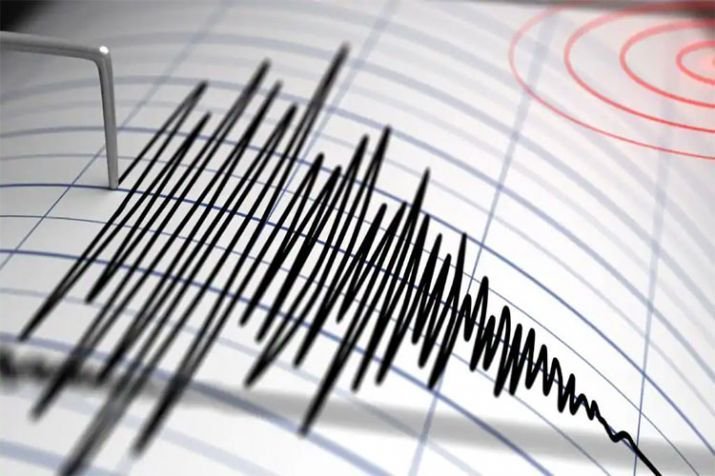
Prediction involves using seismometers to monitor earth tremors. Experts know where earthquakes are likely to happen. However, it is very difficult to predict when they will happen. Even looking at the timescale between earthquakes doesn’t seem to work.
Protection.
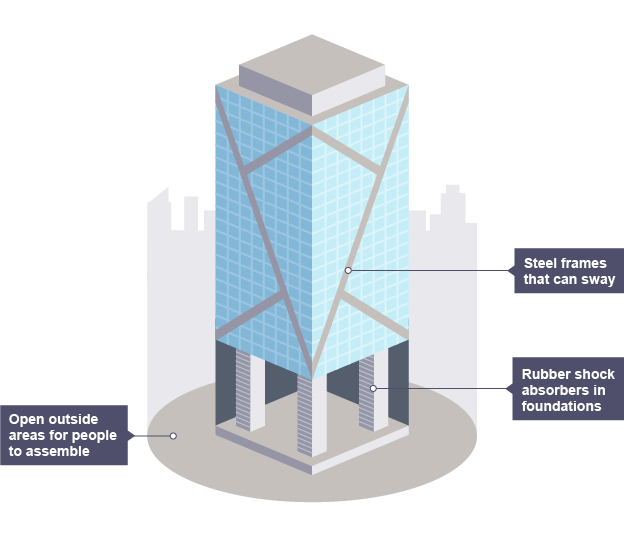
Protection involves constructing buildings so that they are safe to live in and will not collapse. Some examples of building improvements are:
- Rubber shock absorbers in the foundations to absorb the Earth tremors.
- Steel frames that can sway during Earth movements.
- Open areas outside of the buildings where people can assemble during an evacuation.
Preparation.
In earthquake-prone countries, hospitals, emergency services and residents practise for an earthquake. They have drills in all public buildings so that people know what to do in the event of an earthquake. This helps to reduce the impact and increases their chance of survival.
 Emily Henderson @ ELIS